TMD treatment is not about chasing symptoms—it’s about restoring balance, comfort, and function.
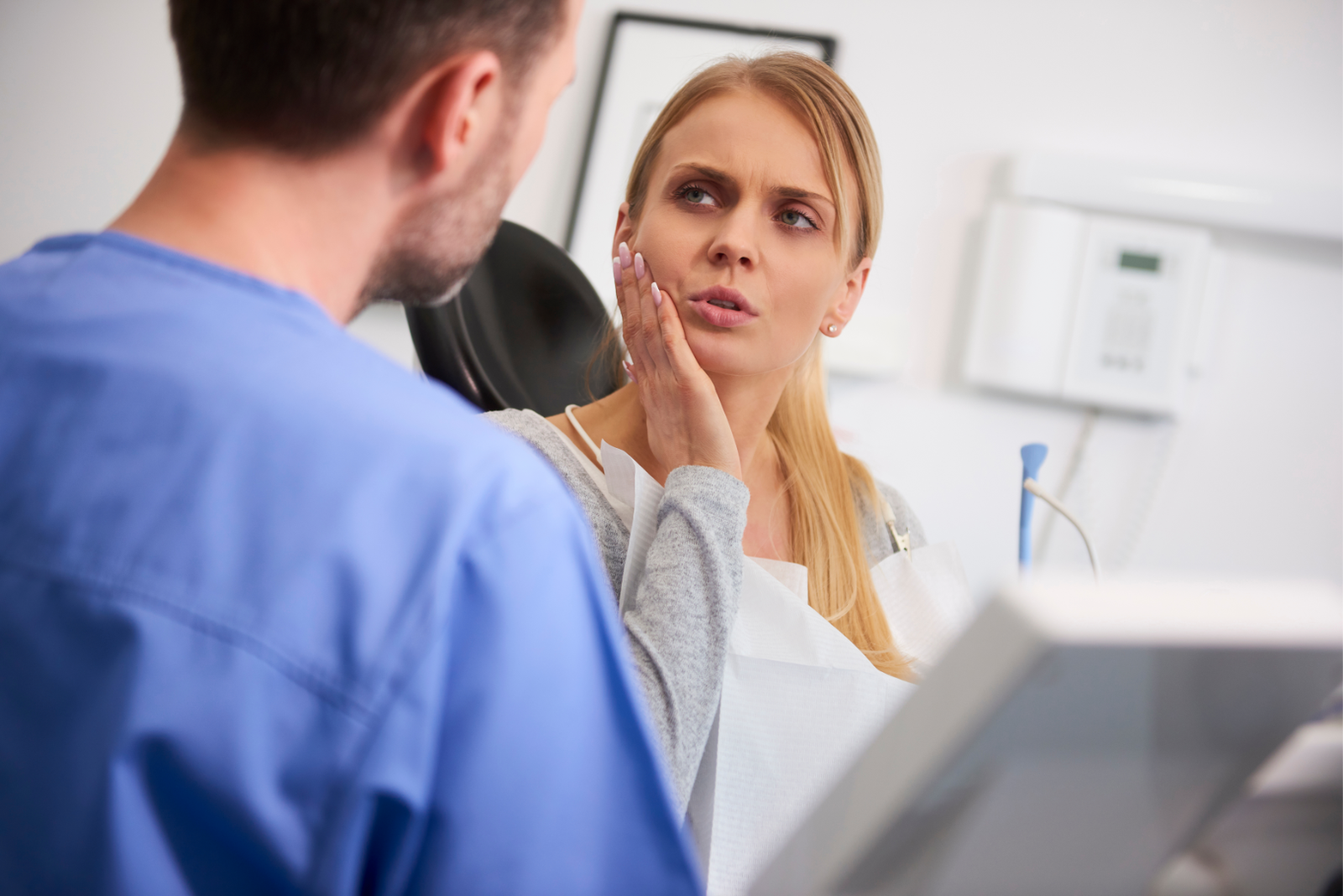
Diagnosis-Led TMD Care at Cuspid Dental, Surat
Temporomandibular Disorder (TMD) Treatment
At Cuspid Dental, TMD treatment begins with identifying the true source of jaw discomfort—not merely where pain is felt.
Our diagnosis-led approach involves a careful evaluation of the jaw joints, surrounding muscles and bite relationships to uncover functional imbalances contributing to symptoms.
Rather than relying on one-size-fits-all solutions, every treatment plan is developed only after clarity is achieved on joint health, muscle behavior and occlusal stability—allowing care to remain conservative, targeted and predictable.
CLINICAL OBSERVATIONS IN JAW & MUSCLE HEALTH
Commonly Reported Symptoms Associated With TMD
Patients may report one or more of the following symptoms:
✔ Jaw & Discomfort — Pain, tenderness, or stiffness in the jaw or preauricular region.
✔ Clicking or Popping Sounds – Audible sounds when opening or closing the mouth.
✔ Headaches & Ear Pain – Referred muscle or joint tension may contribute to headaches or ear discomfort.
✔ Limited Jaw Movement – Difficulty in chewing, speaking, or fully opening the mouth.
✔ Teeth Grinding (Bruxism) – Clenching and grinding that may contribute to symptom persistence or progression.
Jaw and muscle symptoms may be influenced by factors such as stress, clenching or grinding, joint injury, arthritis, or occlusal imbalance.
These symptoms can arise from multiple causes and do not always indicate TMD. A structured clinical evaluation is essential for accurate diagnosis.
If these symptoms feel familiar, a diagnosis-led evaluation can identify the cause and guide the safest next step
Includes joint + muscle + bite assessment
Understanding the Cause Before Treating the Symptoms
TMD Diagnosis
At Cuspid Dental, TMD diagnosis is approached methodically and conservatively, with emphasis on identifying the underlying cause before any treatment is recommended.
- Detailed evaluation of jaw joints, muscles and movement patterns
- Bite and occlusal assessment to identify functional imbalances
- Digital imaging only when clinically indicated, to assess joint health
- Identification of contributing factors such as clenching, misalignment, or lifestyle stressors
Medical and Dental History Review
A comprehensive discussion of symptoms, oral habits, medical history and lifestyle factors that may influence jaw function and muscle health.
Physical
Examination
Careful assessment of jaw movement, joint tenderness, muscle coordination and bite alignment to identify functional irregularities.
Advanced Imaging (Only if required)
When necessary, imaging may be recommended to better understand joint structures and confirm findings from the clinical examination.
Not all jaw pain requires active treatment. A structured diagnostic evaluation helps determine whether observation, conservative care, or further intervention is appropriate.
Individualised Care for Temporomandibular Disorders
Treatment Approaches Used in TMD Care
Not every patient requires all of the following. Treatment is selected only after identifying the primary driver—joint, muscle, or bite-related.
Splints & Mouth Guards
Custom-designed oral appliances prescribed after a detailed bite and joint evaluation, aimed at reducing muscle overload, managing clenching or grinding and supporting jaw stability. Often used as an initial, reversible phase of care.
Physical
Therapy
Adjunctive physiotherapy and guided exercises, Used selectively when muscle-driven patterns are identified to support muscle relaxation, improve jaw movement and complement dental treatment where indicated.
Botox®
Injections
Targeted muscle relaxation therapy, considered only in select cases where conservative dental and behavioral approaches are insufficient and always used as part of a broader treatment plan. Never used as a standalone or first-line treatment.
Corrective Dental Work
Bite-corrective dental procedures considered only when structural dental factors are confirmed as contributors, and planned conservatively with long-term functional stability in mind.
Every TMD treatment plan at Cuspid Dental begins with a thorough, diagnosis-led evaluation.
Our approach prioritises long-term joint stability and functional balance over short-term symptom suppression.
Depending on individual diagnostic findings, care may involve one or a combination of the following:
- Occlusal Splints or Nightguards
Custom-made appliances designed to reduce jaw strain, protect teeth and manage clenching or grinding patterns identified during evaluation.
- Bite Adjustments and Occlusal Therapy
Precise bite refinement aimed at reducing harmful interferences and improving functional jaw harmony.
- TENS Therapy or Muscle Relaxation Techniques
Supportive modalities used selectively to ease muscle tension and aid neuromuscular relaxation.
- Stress Management Strategies
Guidance on behavioral factors and habits that may contribute to ongoing muscle strain or symptom recurrence.
- Referral to Specialists if Advanced Care is Needed
For complex or non-responsive cases, coordinated care with relevant medical or dental specialists is arranged
BENEFITS OF DIAGNOSIS-LED TMD CARE
Key Benefits of Appropriate TMD Treatment
Reduced jaw pain and muscle discomfort (where treatable).
More stable jaw movement and improved bite functionMore stable jaw movement and improved bite function.
Fewer tension-type headaches and improved sleep quality (when linked to clenching/TMD.
Reduced ongoing joint/muscle overload and flare-ups.
Improved daily comfort and quality of life.
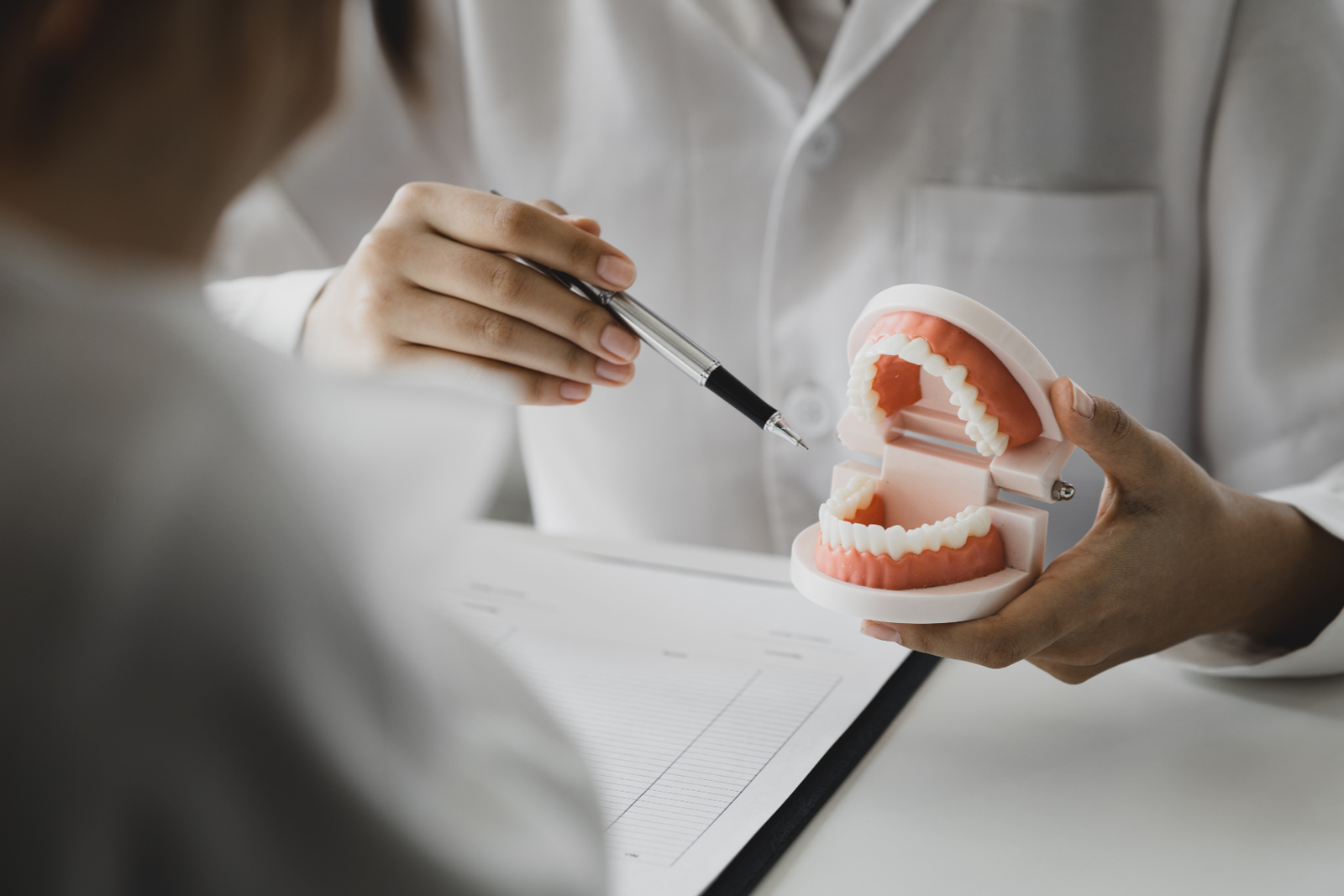
Treatment Goals
Reduction in jaw discomfort, facial muscle strain, and associated headache patterns through targeted treatment.
Jaw Comfort & Function
We focus on reducing muscle overload and restoring functional jaw movement based on clinical findings—not guesswork or symptom masking.
Sleep & Headache Patterns
By addressing clenching-related muscle tension and bite instability, care may help reduce night-time jaw strain and support more restful sleep.
Long-Term Joint Health
Early, diagnosis-led care aims to protect jaw joints and surrounding muscles from ongoing overload, supporting stability over time.
If jaw pain, clicking, headaches, or bite changes are affecting daily comfort, a structured TMD evaluation can clarify the cause and guide the next step.