Full Mouth Rehabilitation at Cuspid Dental
Full Mouth Rehabilitation (FMR)
What is Full Mouth Rehabilitation (FMR)?
Full mouth rehabilitation is a diagnosis-led process designed to restore bite stability, comfort and long-term function when multiple dental problems exist together.
At Cuspid Dental, treatment begins with understanding why the bite has collapsed—by evaluating teeth, jaw position, muscles and occlusion—so care addresses the root cause, not just the visible damage.
It is not a single procedure, but a carefully sequenced plan built for predictability and durability.
Clinical literature recognises full mouth rehabilitation as a diagnosis-driven approach focused on restoring long-term function, stability, and comfort.
For trusted patient-friendly reading, explore our Patient Resources.
Full Mouth Rehabilitation in Surat
A Tailored Plan, Not a Standard Package
FULL MOUTH REHABILITATION IS NOT A SINGLE TREATMENT
Stability & Bite Support
Restoring stability in how the teeth, jaw and muscles work together is often the first priority in complex cases.
Occlusal analysis and bite equilibration (where indicated)
Deprogramming or splint phase (when required)
Orthodontic correction if tooth position is driving instability
Structure & Tooth Preservation
Once functional stability is established, damaged or weakened teeth are restored conservatively, with a focus on preserving tooth structure and supporting long-term predictability.
Additive restorations, onlays, or crowns (conservative where possible)
Root canal therapy only when structurally or biologically necessary
Tooth Replacement
When teeth are missing or non-restorable, replacement is planned only after evaluating bone health, bite forces and the overall rehabilitation sequence.
Bridges or dental implants
Choice guided by bone, function and long-term load—not just aesthetics
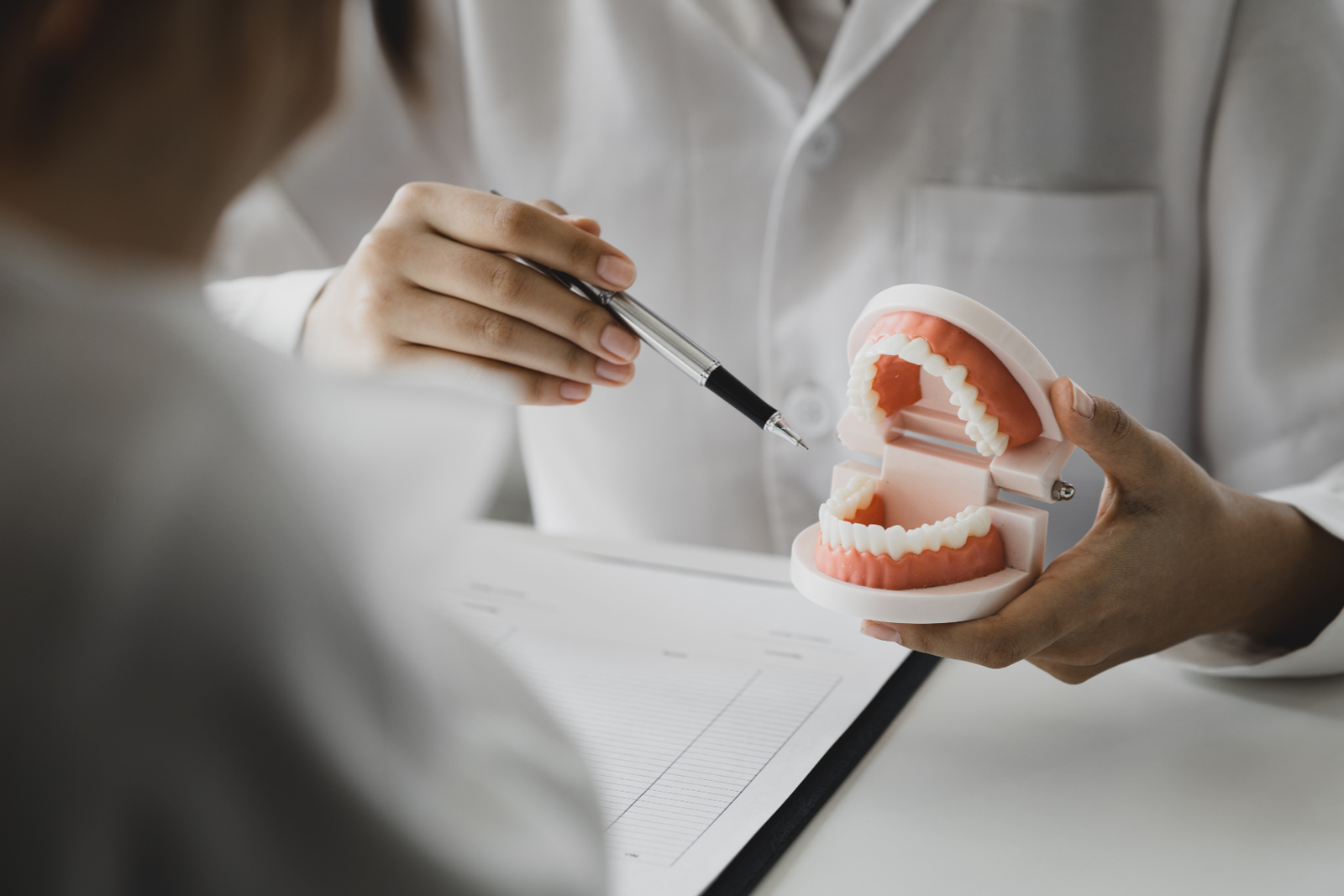
Each procedure is strategically planned to ensure long-lasting, functional, and natural-looking results.
Full Mouth Rehabilitation is about restoring function, balance and long-term predictability — not just aesthetics.
A structured, diagnosis-led approach to rebuilding oral health at Cuspid Dental.
A Diagnosis-Led Approach to Full Mouth Rehabilitation
Full Mouth Rehabilitation Process
At Cuspid Dental, full mouth rehabilitation begins with a comprehensive diagnostic evaluation focused on function, jaw position and long-term stability—not isolated dental problems. Each stage of treatment is guided by diagnosis and functional analysis, ensuring predictability rather than short-term fixes.
1. Initial Consultation
• Comprehensive oral and functional examination, including digital imaging, diagnostic records and bite & jaw assessment .
• Evaluation of tooth wear, jaw position, muscle health and occlusal stability.
• Discussion of concerns, functional findings and long-term treatment goals.
2. Personalized Treatment Plan
• A phased, diagnosis-driven roadmap outlining treatment sequence, timelines and biological priorities.
• Clear explanation of each treatment stage, including provisional phases where required to test function and stability.
• Planning focused on predictability, adaptability and long-term outcomes—not speed.
3. Rehabilitation & Restoration
• Treatment delivered in carefully sequenced stages based on complexity, biological response and functional stability.
• Ongoing assessment and refinement to ensure bite harmony, comfort and durability.
• Final restorations completed only once functional goals are consistently achieved.
When Full Mouth Rehabilitation May Be Recommended
Is Full Mouth Rehabilitation Right for You?
If more than one of these applies, a staged, diagnosis-led FMR plan may be recommended:
✔ Worn, Flattened, or Shortened Teeth — from grinding, erosion, or long-standing bite imbalance.
✔ Multiple Missing Teeth — reducing chewing efficiency and bite stability.
✔ Repeated Breakage / Failing Old Dental Work — frequent chipping, loosening crowns/bridges, or recurring repairs.
✔ Cracked or Heavily Restored Teeth — structurally compromised teeth needing a long-term plan..
✔ Bite Instability or Jaw-Related Symptoms — uneven bite, fatigue while chewing, jaw discomfort, or muscle tightness.
✔ Aesthetic Concerns With Functional Issues — changes in tooth shape/position that also affect bite and comfort.
If you are facing 2 or more of the above, a full-mouth plan may be more predictable than treating one tooth at a time.
Not sure if you need full mouth rehabilitation or just selective treatment?
A consultation focused on diagnosis and bite stability can clarify the safest path forward.
What Guides Full Mouth Rehabilitation at Cuspid Dental
A Diagnosis-Led Approach to Full Mouth Rehabilitation
✔ Advanced Diagnostic & Planning Protocols – Use of digital imaging, articulated models, and functional analysis to plan restorations that respect jaw position, bite dynamics and long-term stability.
✔ Expertise in Complex Functional Rehabilitation – Experience in managing full-mouth cases involving occlusal instability, worn dentition, altered vertical dimension and bite-related dysfunction.
✔ Personalised, Phased Treatment Planning – Each plan is sequenced thoughtfully, allowing staged rehabilitation, provisional assessment and refinement before final restorations.
✔ Conservative, Function-First Care – Treatment decisions prioritise tooth preservation, joint health and occlusal harmony over aggressive or purely aesthetic interventions.
✔ Long-Term Predictability Over Quick Fixes – Restorations are designed to withstand functional load, maintain bite stability and support durable outcomes over time.